Preventing Duplicate Cron Job Executions
Cron jobs are the quiet workhorses of web automation, but when a scheduled task runs twice at the same moment, the results can be messy: duplicate emails.
Read more >>Learn how to run scheduled tasks, monitor websites, import cron jobs, and keep recurring scripts under control.

Cron jobs are the quiet workhorses of web automation, but when a scheduled task runs twice at the same moment, the results can be messy: duplicate emails.
Read more >>

Cron jobs often call a URL on your server to trigger maintenance tasks, backups, or data updates. If that URL is public, anyone who discovers it can run.
Read more >>
When you schedule a cron job, the remote server replies with an HTTP status code that tells you whether the task ran as expected. Learning to read these.
Read more >>
Before you activate a scheduled task, testing transforms risk into routine. A cron job that runs at 3 AM can fail silently, corrupt a database, or send a.
Read more >>
Picking the right interval for automated jobs can feel like guesswork. Run tasks too often and you waste server resources; run them too rarely and your data.
Read more >>
Running a URL every five minutes can keep dashboards fresh and automate critical tasks, but careless scheduling can overload servers or trigger duplicate.
Read more >>
Running a PHP script automatically every day is essential for tasks like clearing temp files, sending daily reports, or updating cached data. Cron is the.
Read more >>
Cron expressions look like cryptic strings, but they simply tell your server when to run scheduled tasks. If you manage a website or automate backups.
Read more >>
A web cron job triggers a specific URL at set intervals, enabling automation for cache clearing, email sending, or data syncing. For website owners, this.
Read more >>
If you run a website, you have likely heard the term "cron job" and wondered what it actually does. In short, a cron job is a task scheduler built into.
Read more >>
Schedule webhook signature checks to catch HMAC validation, timestamp tolerance, secret rotation, proxy, and payload-handling regressions before production events fail.
Read more >>
Monitor TLS versions, cipher suites, certificate chains, and edge consistency on a schedule to catch security regressions before clients fail.
Read more >>
Learn how scheduled TLS checks detect missing, stale, or invalid OCSP staples across origins, CDNs, and load balancers before users are affected.
Read more >>
Monitor OpenID Connect discovery metadata for issuer, endpoint, signing-key, and capability regressions before authentication fails for users.
Read more >>
Learn how scheduled CORS checks catch broken preflight responses, unsafe origin rules, credential mistakes, and CDN header regressions before users do.
Read more >>
Learn how scheduled web cron checks detect missing or weakened HSTS headers before HTTPS downgrade risks reach production users.
Read more >>
Learn how scheduled web cron checks detect missing or weakened Content Security Policy headers before security regressions reach users.
Read more >>
Detect HTTP cache header regressions with scheduled checks for freshness, validators, CDN behavior, cache keys, revalidation, and safe deployment alerts.
Read more >>
Monitor WebSocket reliability with scheduled checks for handshake success, heartbeats, message delivery, latency, reconnect behavior, and regional failures.
Read more >>
Monitor DNS-over-HTTPS resolver health with scheduled checks for valid DNS answers, HTTPS security, latency, freshness, and reliable failover alerts.
Read more >>
Detect failed, missed, or stuck Kubernetes CronJobs automatically with scheduled external checks, clear alerting, and evidence your on-call team can trust.
Read more >>
Monitor RPKI route origin validity automatically, detect invalid prefix announcements, and alert on routing-security changes before users are affected.
Read more >>
Detect revoked TLS certificates automatically with scheduled OCSP checks, resilient validation, clear alerting, and evidence your team can trust.
Read more >>
Detect missing, conflicting, or unauthorized CAA record changes automatically before they weaken certificate policy or block legitimate TLS renewals.
Read more >>

Detect broken DNSSEC trust chains, expiring signatures, unsafe key rollovers, and resolver failures automatically with scheduled validation checks.
Read more >>
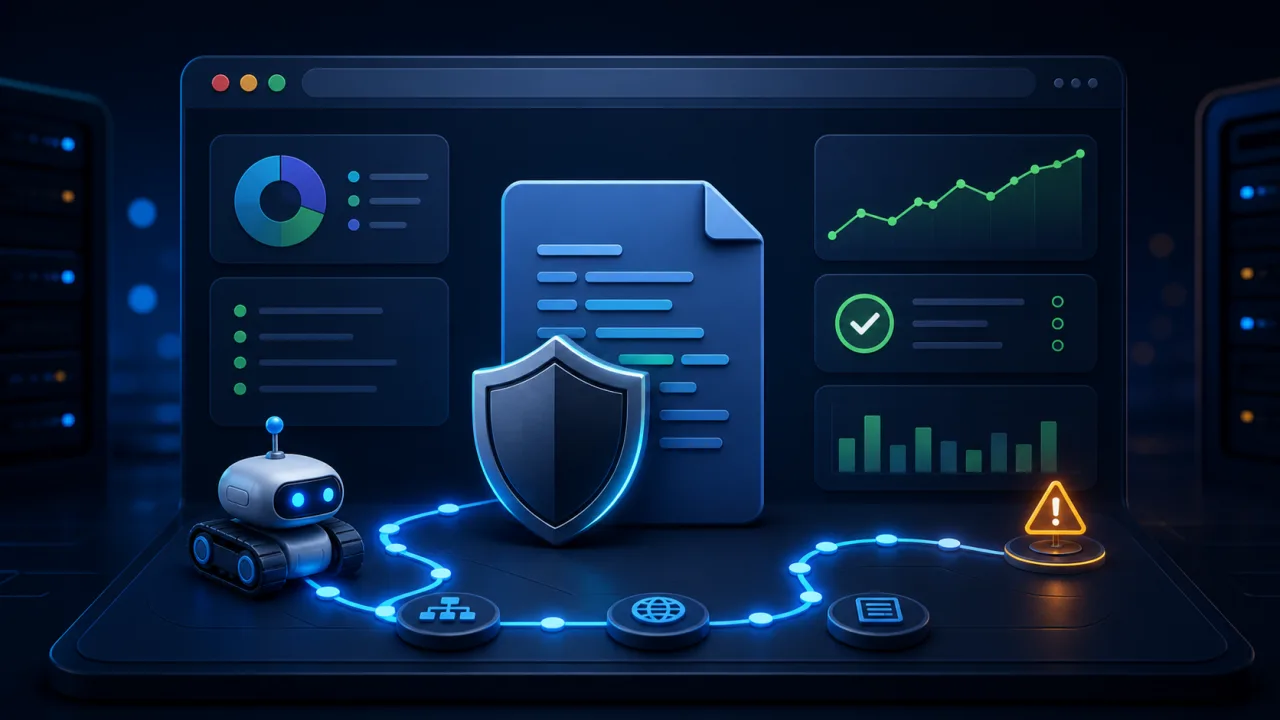
Detect missing, invalid, or contradictory JSON-LD automatically with scheduled structured-data regression checks for important website templates.
Read more >>

Detect accidental robots.txt blocks, missing sitemap rules, crawl traps, and staging leaks automatically with scheduled web cron monitoring.
Read more >>

Detect missing, conflicting, or non-reciprocal hreflang tags automatically with scheduled web cron checks for multilingual websites.
Read more >>
Detect missing, duplicated, redirected, or off-domain canonical tags automatically with scheduled web cron checks and actionable alerts.
Read more >>

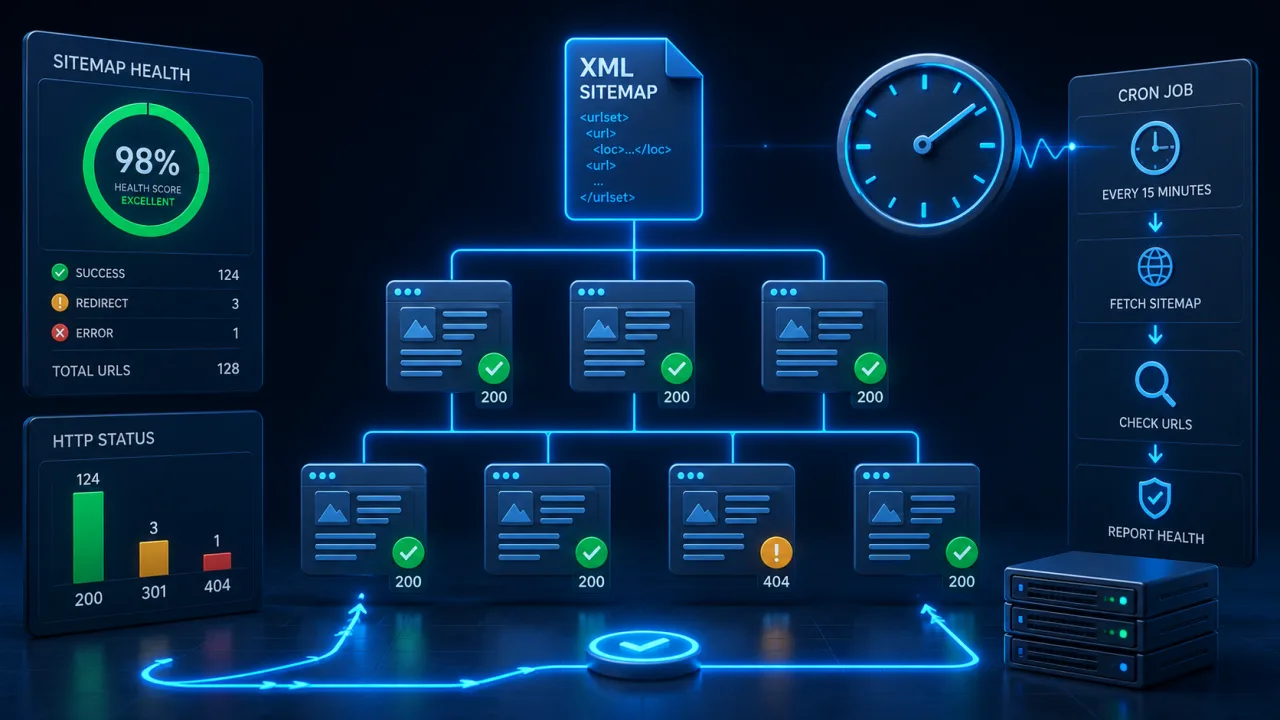
Monitor XML sitemap availability, freshness, URL counts, redirects, and sample errors automatically with a reliable scheduled web cron job.
Read more >>

Detect missing Brotli or gzip, growing transfer sizes, and cache variation mistakes with scheduled HTTP compression monitoring.
Read more >>

Detect TLS protocol and cipher drift with scheduled handshake checks, policy baselines, endpoint comparison, and actionable web cron alerts.
Read more >>

Detect scheduled job slowdowns early with duration baselines, practical thresholds, throughput checks, and actionable web cron alerts.
Read more >>

Learn how to monitor server clock drift with a scheduled web cron check and protect tokens, logs, certificates, and time-sensitive jobs.
Read more >>

Learn how to monitor REST API pagination for missing records, duplicates, cursor loops, and incomplete result sets with a web cron job.
Read more >>

Learn how to monitor SPF, DKIM, and DMARC records with scheduled web cron checks and catch email authentication drift early.
Read more >>

Learn how to monitor Certificate Transparency logs with scheduled web cron checks and detect unexpected TLS certificate issuance quickly.
Read more >>

Learn how to monitor HTTP redirect chains with scheduled web cron checks, strict hop limits, destination validation, and actionable alerts.
Read more >>

Monitor webhook delivery failures with scheduled web cron checks, receipt probes, retry analysis, idempotency safeguards, and actionable alerts.
Read more >>

Detect API schema drift with scheduled web cron checks, contract snapshots, safe comparisons, practical thresholds, and clear compatibility alerts.
Read more >>
Monitor object storage capacity with scheduled web cron checks, useful growth metrics, practical thresholds, retention controls, and clear alerts.
Read more >>
Monitor OAuth token lifetimes with scheduled web cron checks, safe refresh probes, practical alert thresholds, and clear failure handling.
Read more >>
Monitor CDN cache health with scheduled web cron checks, useful response headers, regional probes, practical thresholds, and clear alerts.
Read more >>
Monitor backup freshness with scheduled web cron checks, verifiable timestamps, practical thresholds, and alerts that catch silent failures.
Read more >>
Monitor HTTP security headers with scheduled web cron checks, resilient validation rules, useful alerts, and practical regression testing.
Read more >>
Monitor database connection pool saturation with scheduled web cron checks, practical thresholds, secure endpoints, and actionable alerts.
Read more >>
Monitor PostgreSQL replication lag with scheduled web cron checks, practical thresholds, secure health endpoints, and reliable alerting.
Read more >>
Monitor Redis memory pressure with a web cron job using headroom, growth, fragmentation, eviction, alert thresholds, and safe endpoint design.
Read more >>
Monitor third-party API rate limits with a web cron job, smart quota thresholds, Retry-After handling, backoff, and actionable alerts.
Read more >>
Monitor data pipeline freshness with a web cron job using reliable timestamps, lag budgets, safe endpoints, actionable alerts, and recovery verification.
Read more >>
Monitor background queue backlogs with a web cron job using age, depth, throughput, safe endpoints, actionable alerts, and a tested recovery runbook.
Read more >>
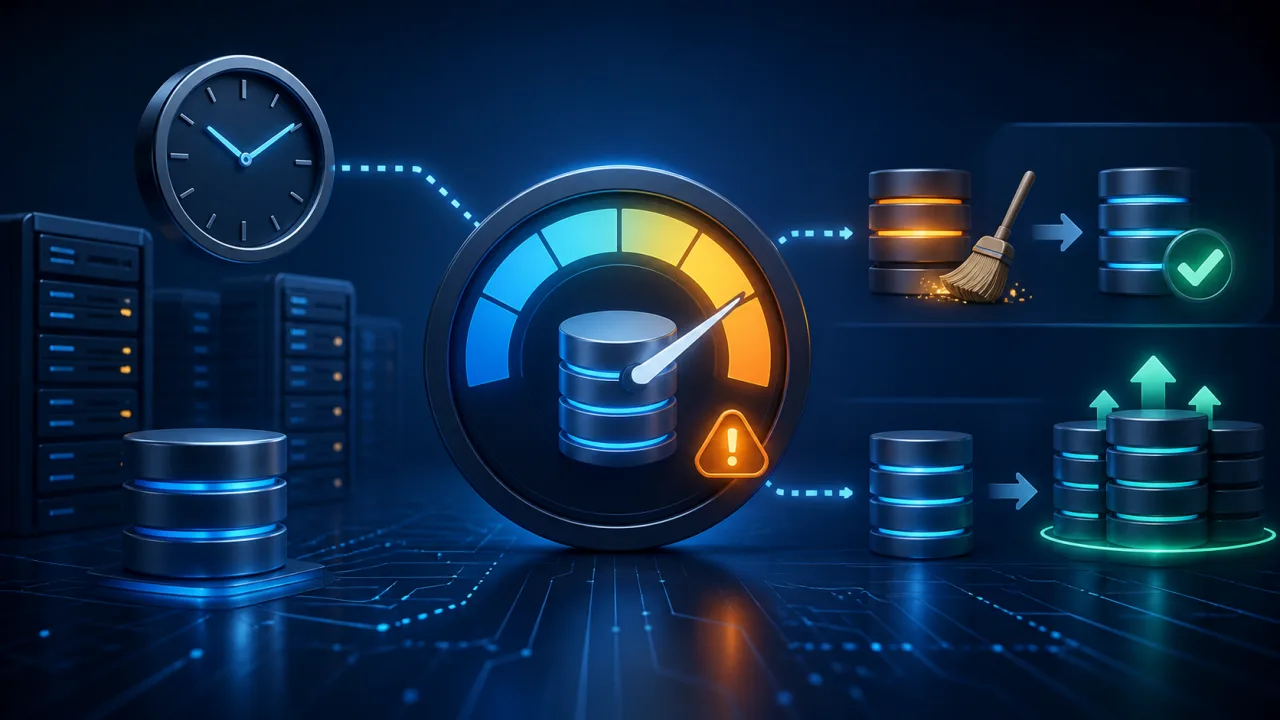
Monitor server disk space with a web cron job using byte and inode thresholds, growth forecasts, safe diagnostics, actionable alerts, and tested remediation.
Read more >>
Monitor domain expiration automatically with a web cron job using RDAP, staged renewal alerts, ownership records, auto-renew verification, and audit-ready tracking.
Read more >>
Automate secure SFTP file transfers with a web cron job using key authentication, atomic uploads, checksums, idempotency, retries, and audit-ready monitoring.
Read more >>
Monitor DNS record changes automatically with a web cron job, trusted resolvers, normalized baselines, safe alerts, propagation checks, and reliable audit logs.
Read more >>
Automate website screenshot monitoring with web cron jobs using stable viewports, baseline comparisons, dynamic-region masks, alerts, retention, and safe testing.
Read more >>
Replace traffic-driven WP-Cron with a reliable external web cron using safe scheduling, HTTPS triggers, overlap protection, testing, and monitoring.
Read more >>
Schedule safe database maintenance with web cron jobs using bounded batches, locks, least privilege, dry runs, monitoring, and recovery-ready workflows.
Read more >>
Learn how to run scheduled API health checks with web cron jobs using meaningful probes, timeouts, dependency isolation, alerts, retries, and safe monitoring.
Read more >>
Learn how to remove expired user sessions safely with a scheduled web cron job using precise expiry rules, batching, locks, metrics, and privacy-aware retention.
Read more >>